Disabled Basin Guide: Standard & Wheelchair Basin Heights
Published: 25 March 2026
Choosing the right basin is essential when designing a safe and accessible bathroom for someone with a disability. This guide explains the different types of disabled basins available and the correct height to ensure comfort, independence and ease of use.
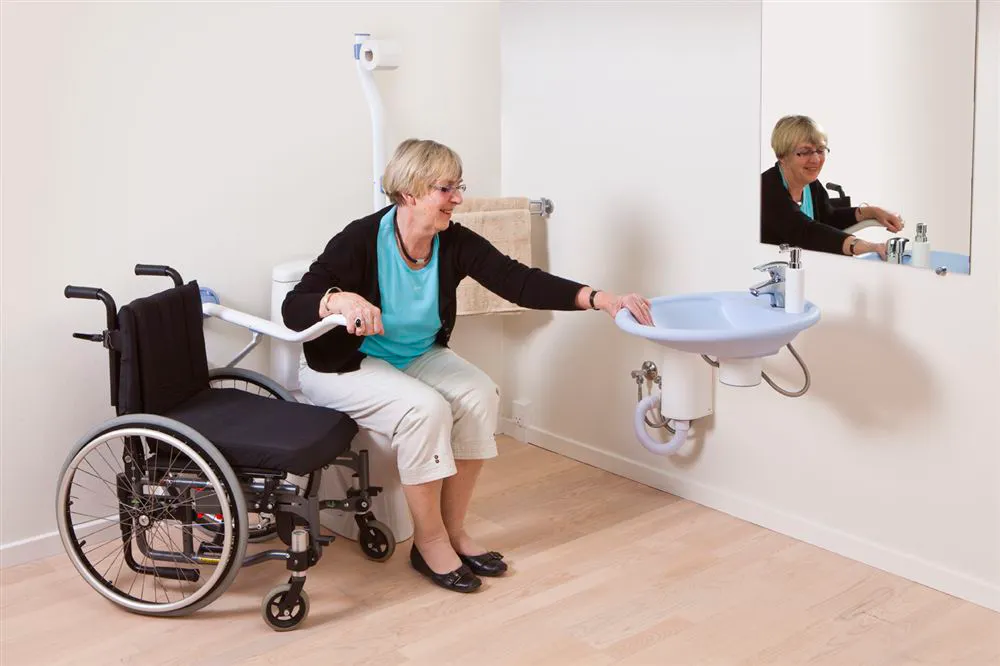
What Height Should a Disabled Basin Be?
One of the most common questions when designing a disabled bathroom is getting the basin height right.
Standard Basin Height (UK)
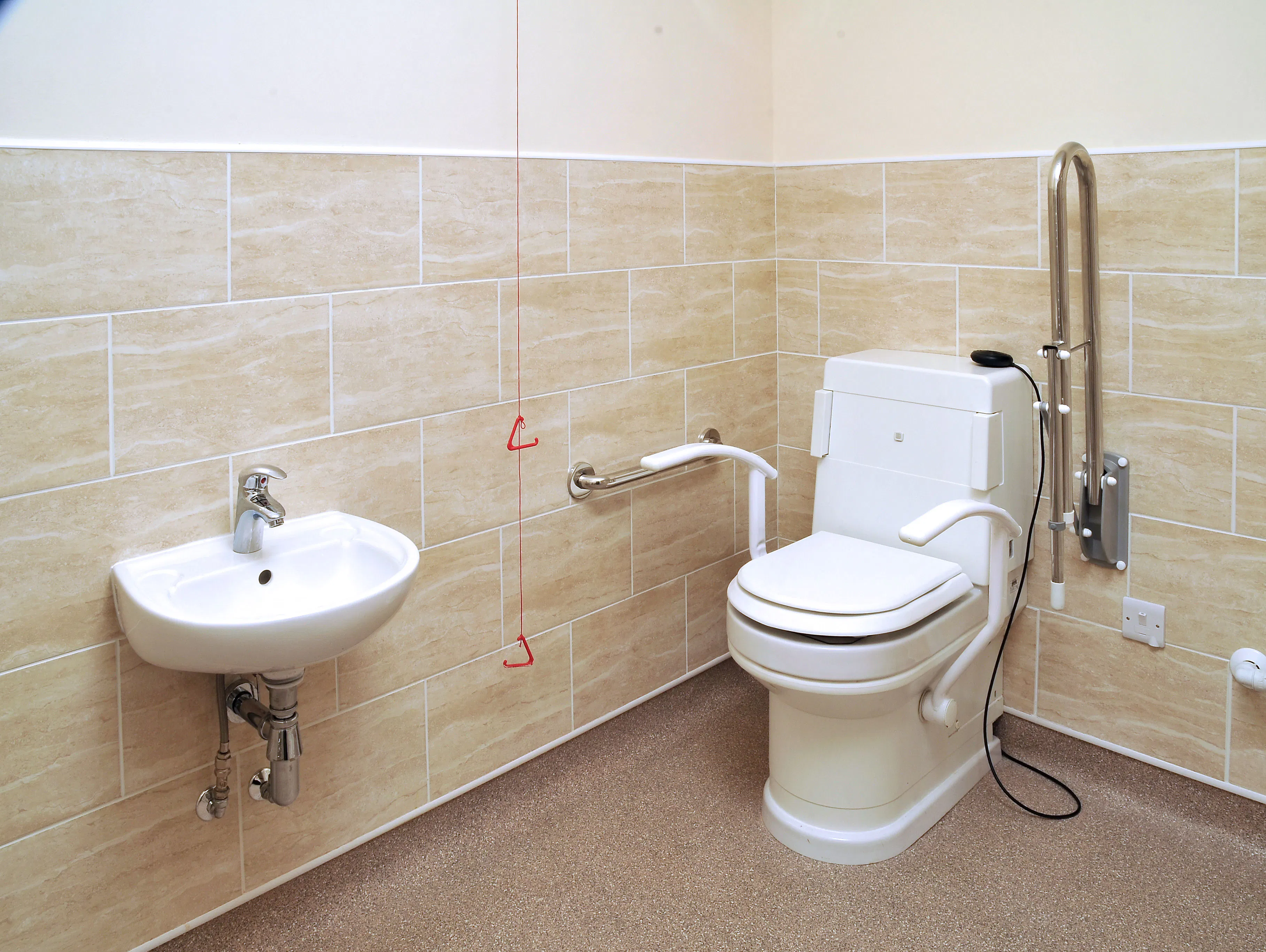
In most homes, a standard bathroom basin is typically installed between 800mm and 850mm from the floor to the rim. This works well for standing users but can be difficult to use for someone seated.
For individuals with reduced mobility or disability, this height often requires leaning forward or reaching up, which can be uncomfortable and unsafe, particularly if balance or upper body strength is limited.
Disabled Basin Height (Wheelchair Users)
For wheelchair users, UK guidance set out in Approved Document M (Access to and use of buildings) recommends a basin height of approximately 720mm to 740mm from the floor. This lower position allows a wheelchair to fit comfortably underneath the basin, enabling a closer and more natural position for washing and personal care.
Positioning the basin at the correct height helps reduce strain on the shoulders and arms, making everyday tasks more manageable and less tiring.
Why Is Height So Important?
The reduced height is not just about reach — it’s about knee clearance, positioning and overall comfort. A wheelchair user needs enough space beneath the basin to move close enough to use it safely, without hitting pipework or needing to stretch forward.
If the basin is too high or obstructed underneath, it can lead to poor posture, increased strain and a higher risk of slips or loss of balance.
What About Bathrooms at Home?
While these measurements provide a helpful guide, in a private home the ideal basin height should always be tailored to the individual. Factors such as wheelchair height, seating position, reach and strength all play a role.
A personalised approach ensures the basin is not only compliant with guidance but genuinely comfortable and practical for everyday use.
For wider guidance on planning a safe and practical layout, read our guide on how to create a wheelchair accessible bathroom.
What Different Types of Disabled Basins Are Available?
There are several types of disabled basins designed to suit different needs and bathroom layouts.
Rise and Fall Disabled Basins
Rise and fall basins can be adjusted in height, making them ideal for households where more than one person uses the bathroom. They are particularly useful in situations where both seated and standing users need access.
They also offer flexibility over time, making them a practical long-term solution if mobility needs are likely to change.
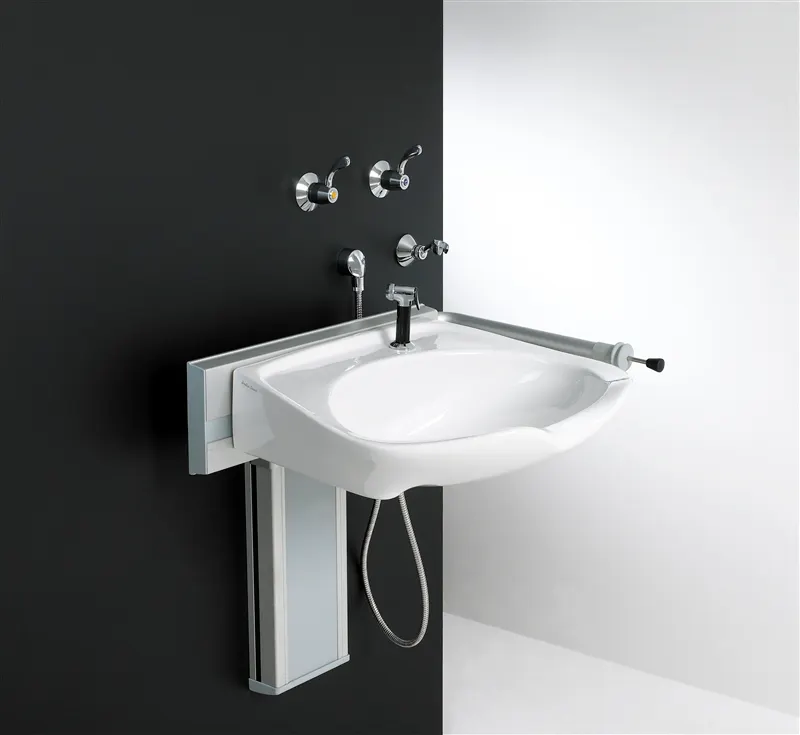
Low Height Disabled Basins
Low height basins are fixed at a lower level to suit wheelchair users and provide a consistent, accessible height. They are often chosen for their simplicity and reliability, offering a straightforward solution without the need for adjustment mechanisms.
These basins work well in bathrooms designed specifically around one user’s needs.
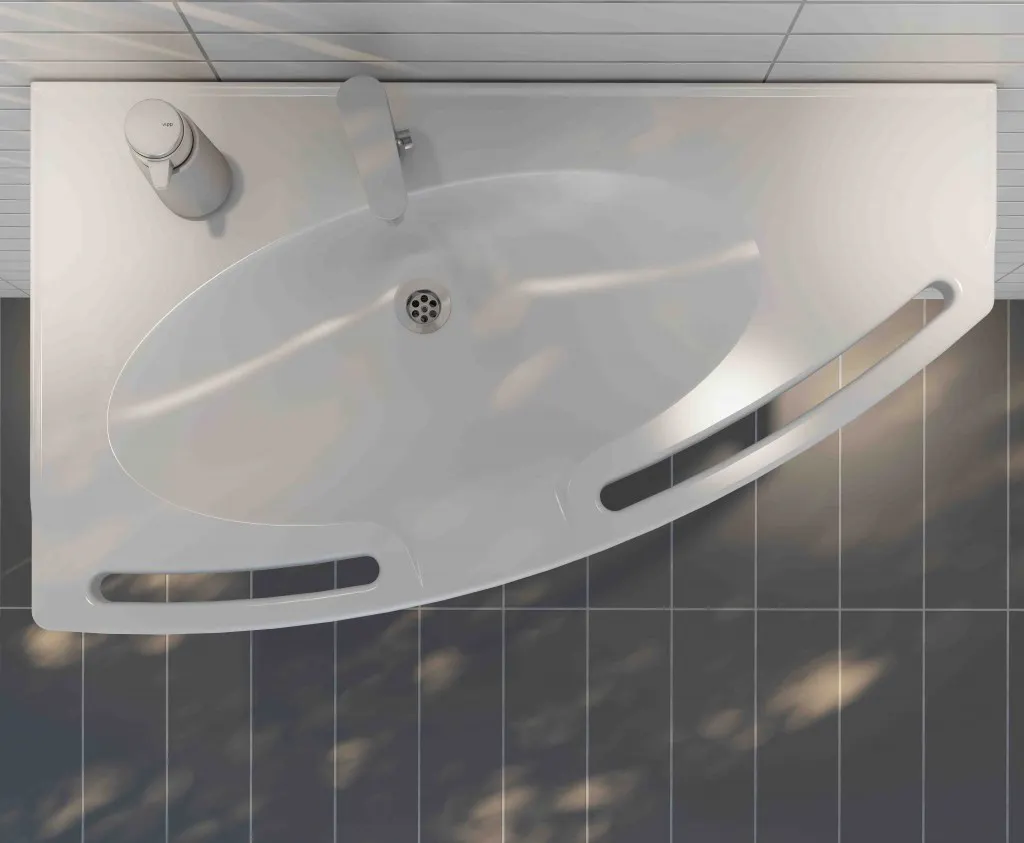
Curved Disabled Basins
Curved or concave basins are designed with a shaped front edge, allowing users to get closer without needing to stretch. This reduces the distance between the user and the tap, making it easier to wash hands or face comfortably.
This design is particularly beneficial for individuals with limited upper body strength or restricted reach.
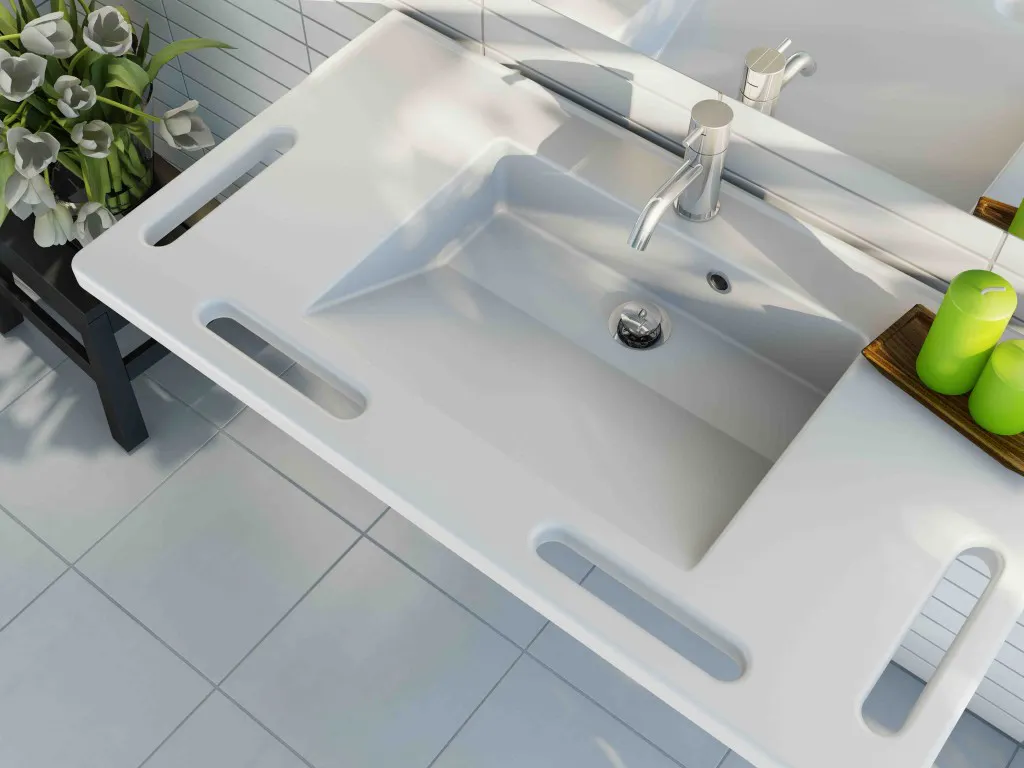
Grab Bar Assisted Disabled Basins
These basins incorporate integrated grab rails or support bars, providing additional stability and reassurance when using the basin.
They are especially useful for users who need extra support when standing or transferring, helping to improve confidence and reduce the risk of slips or falls.
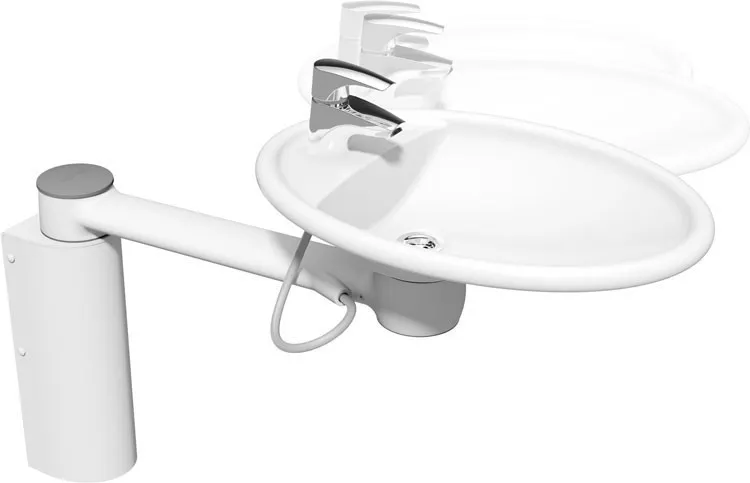
Swing Disabled Basins
Swing basins can be moved or adjusted in position, allowing the basin to be brought closer to the user when needed.
They are particularly effective in smaller bathrooms or where space is limited and can also be beneficial for users who need to access the basin while seated in a fixed position.
Essential Features for a Disabled Basin
A disabled basin is about more than just the basin itself. The surrounding features play a key role in usability and safety.
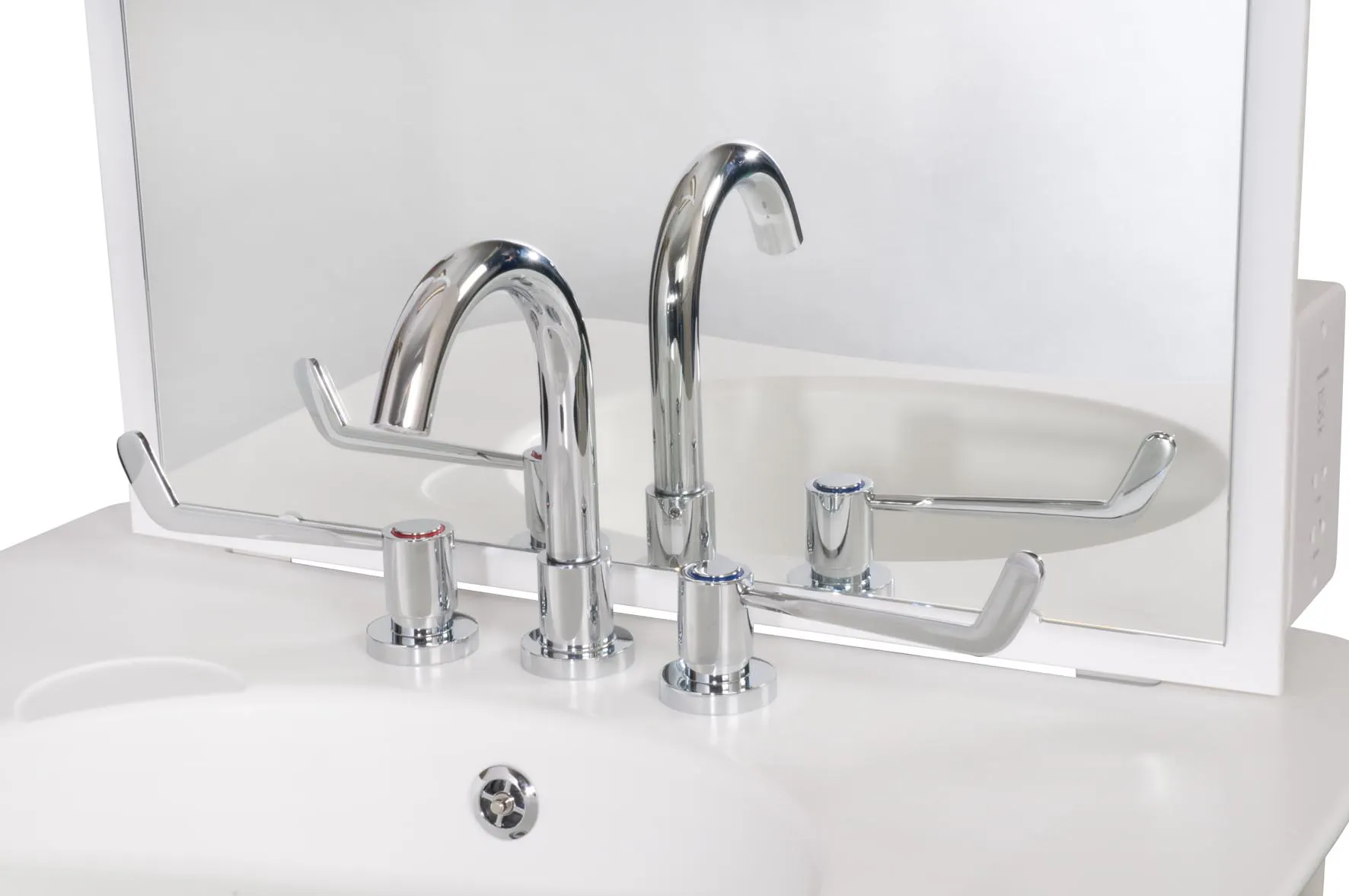
Accessible Taps and Brassware
Taps should be easy to operate, particularly for users with limited dexterity, grip strength or conditions such as arthritis. Lever taps, push-button controls and sensor-operated options can all make everyday use easier and more comfortable.
Choosing the right tap can significantly improve independence, especially where turning traditional tap handles may be difficult. Explore our range of accessible taps and brassware and discover the varied solutions available.
Shallow Basin Design
A shallower basin makes it easier to reach the bottom without leaning forward, reducing strain on the back, shoulders and arms.
This is particularly important for wheelchair users or those with limited balance, as it allows for a more natural and comfortable position when using the basin.
Insulated or Concealed Pipework
If pipework is exposed beneath the basin, it should always be insulated or boxed in. This helps prevent burns, particularly for wheelchair users whose legs may come into contact with hot pipes.
It also creates a cleaner, safer space beneath the basin, reducing the risk of injury.
Clear Space Beneath the Basin
Adequate clearance beneath the basin is essential to allow a wheelchair to fit comfortably underneath. This ensures the user can approach the basin safely and maintain a stable, supported position while using it.
Without sufficient space, the basin becomes difficult — or even unsafe — to use independently.
Let More Ability Design Your Disabled Bathroom
Getting the height and type of disabled basin right is essential for both safety and comfort, but every home and every individual is different. That’s why a tailored approach is so important.
At More Ability, our experienced team specialises in designing disabled bathrooms that are built around your needs, helping you maintain independence, confidence and comfort at home. From your initial consultation through to installation, we provide a complete design and fit service, ensuring every detail is carefully considered and expertly delivered.
If you’d like to explore your options in more detail, you can visit our showrooms to see disabled bathroom solutions in person, or book a free home design appointment with one of our specialists for tailored advice and guidance.
Disabled Basin FAQs
What is the standard basin height in the UK?
A standard bathroom basin is usually installed between 800mm and 850mm from the floor. However, this height is not suitable for wheelchair users.
What is the correct height for a wheelchair accessible basin?
For wheelchair users, the recommended height is typically 720mm to 740mm from the floor, allowing space for wheelchair access underneath.
Do I need special taps for a disabled basin?
While not essential, it is highly recommended to use accessible taps such as lever handles, push controls or sensor taps to make operation easier for users with limited grip or dexterity.
How much clearance is needed under a disabled basin?
A minimum of around 700mm of clear space beneath the basin is usually required to allow a wheelchair to fit comfortably underneath.
Share this Post


